
Explore & Discover Deepen Your Experience
Badrinath and the surrounding region are rich with ancient temples, sacred pilgrimage sites, breathtaking mountain treks, and stunning vistas. Soak in the spiritual energy of the Himalayas and find yourself anew.
Sacred & Natural Wonders
Places to Visit Near Us

Shri Badrinath Mandir
One of the holiest Hindu temples dedicated to Lord Vishnu and a cornerstone of the Char Dham pilgrimage. Situated along the banks of the Alaknanda River amidst the Garhwal Himalayas, this sacred shrine draws millions of devotees each year. Open from late April to mid-November, the temple is also one of the 108 Divya Desams — holy shrines revered by Vaishnavas across the world.
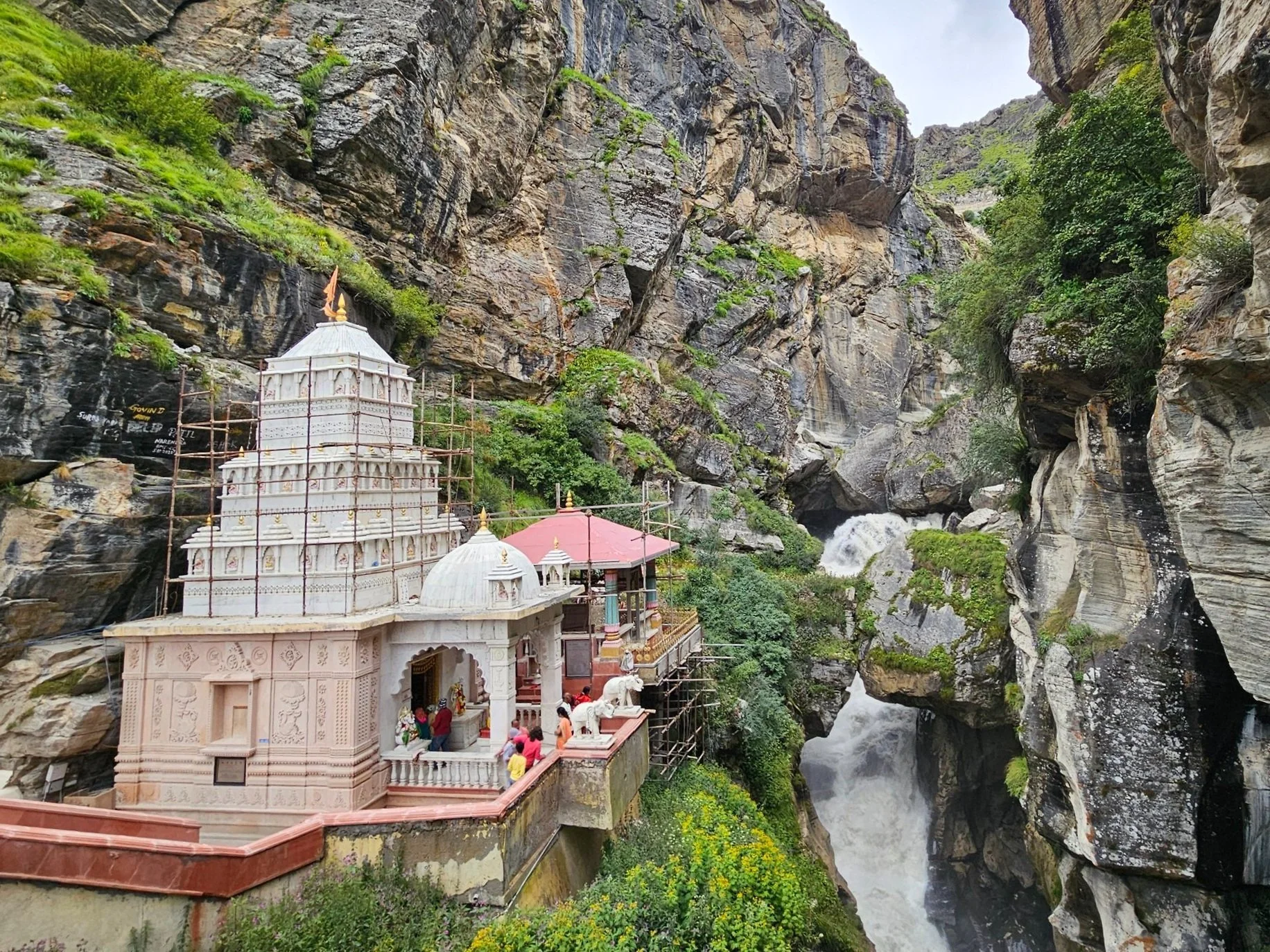
Bheem Pul & Saraswati Temple
Where the sacred Saraswati River meets the Alaknanda, legend says Bheem of the Mahabharata placed a mighty rock across the river so Draupadi could cross — that rock stands to this day as Bheem Pul. Nearby, a beautiful temple dedicated to the goddess Saraswati overlooks the roaring confluence. Located in Mana village, the last Indian village before the China border.
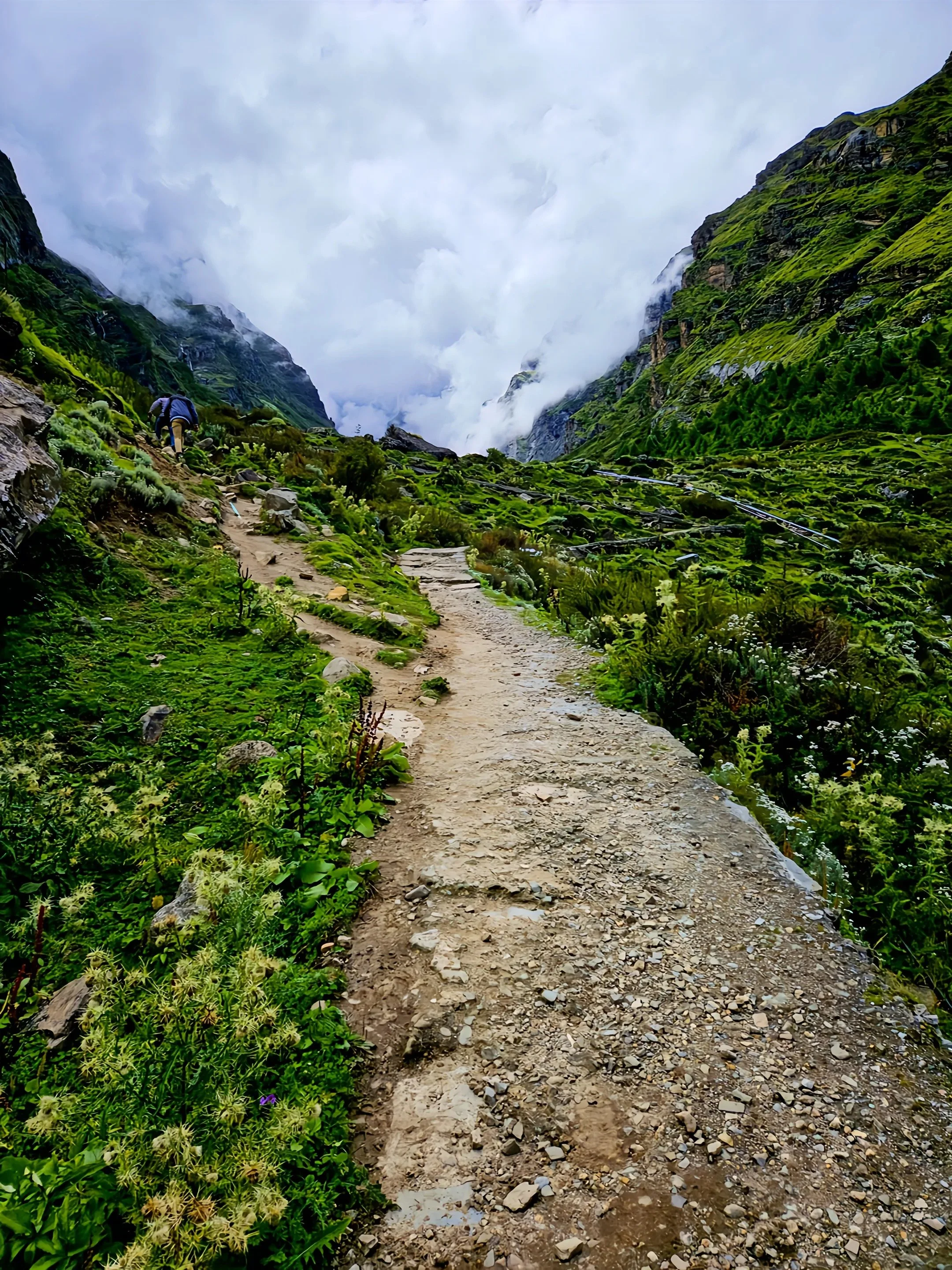
Charan Paduka & Neelkanth Base Hike
A sacred rock believed to bear the footprints of Lord Vishnu himself — darshan here is said to relieve all ailments. A 3 km trek from Badrinath along Narayan Parvat, passing caves, boulders, and small shrines, takes about 1.5 hours uphill. The panoramic views at the top are extraordinary. From Charan Paduka, the dedicated trekker can continue a further 6 km to the base of the magnificent Neelkanth Peak.
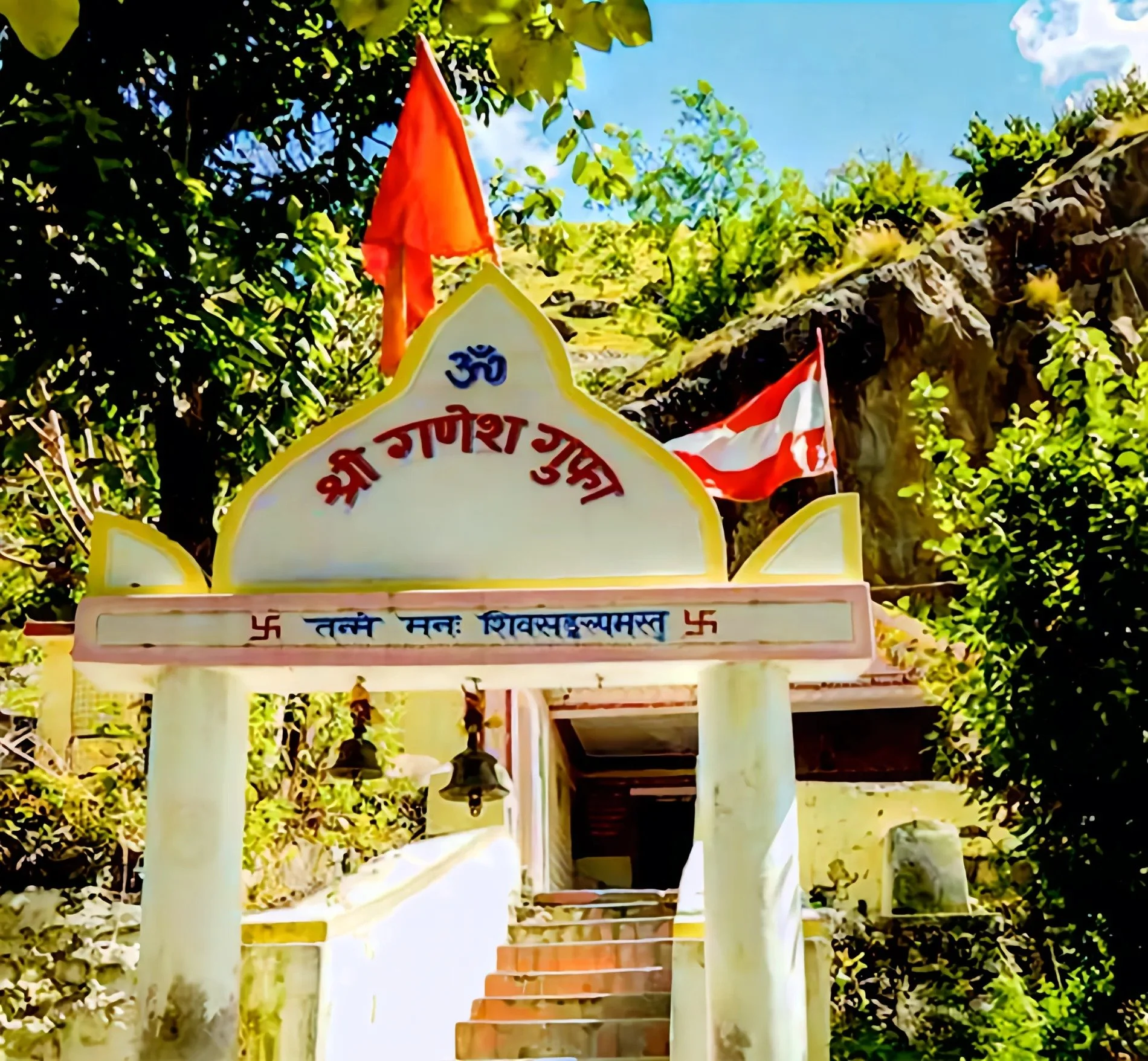
Vyas Gufa & Ganesha Gufa
Step into the cave where, over 5000 years ago, the great sage Vyasa is believed to have composed the Mahabharata — and where Lord Ganesha penned it as he dictated. These two ancient caves, situated near each other in Mana village, carry immense religious significance. To stand in a space of such mythological depth is a profound and humbling experience.
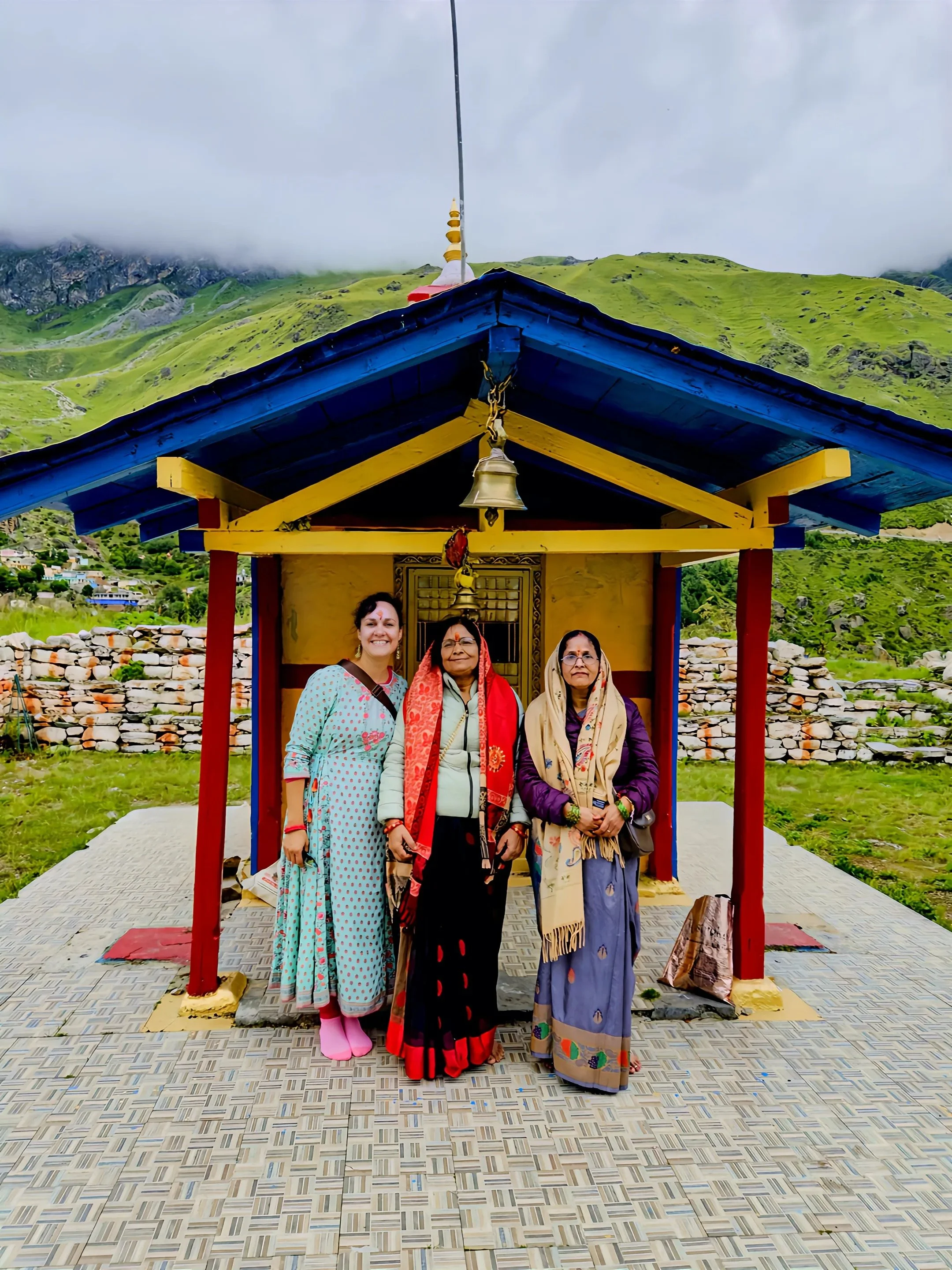
Mata Murti Temple
A tranquil Devi temple dedicated to Mata Murti — the revered mother of Nar and Narayan (Lord Badrinath). Reached by a gentle 3 km trek from Badrinath Ji temple (about one hour), many devotees on the Yatra visit Mata Murti to seek her blessings alongside those of Lord Badrinath. The serene setting and spiritual significance make it a deeply moving addition to any pilgrimage.
It's the perfect place to connect with divine wonder — and find yourself anew.
— Hotel Vishranti Badrinath · Explore
Before You Go
Traveller Tips
The Badrinath temple and most sites are open from late April to mid-November. May–June and September–October offer the clearest skies and most comfortable temperatures for trekking.
Wear sturdy, comfortable walking shoes for all treks. Even in summer, evenings can be cold at 3100m+ altitude — always carry a warm layer. Light rain gear is advisable in July–August.
Mornings are the best time to visit the Badrinath temple to avoid long queues. For treks like Charan Paduka, setting off by 7–8 AM ensures you return well before afternoon cloud cover builds.
The altitude means your body works harder. Drink plenty of water, avoid rushing on uphill paths, and take short breaks. Our restaurant can prepare packed meals for your day trips.
Dress modestly at all temples and shrines. Remove footwear before entering. Photography may be restricted inside temple sanctums — always ask first and be respectful of other devotees.
Our team at Hotel Vishranti is happy to advise on current trail conditions, timings, and the most rewarding combination of sites for the duration of your stay. Just ask at reception.